

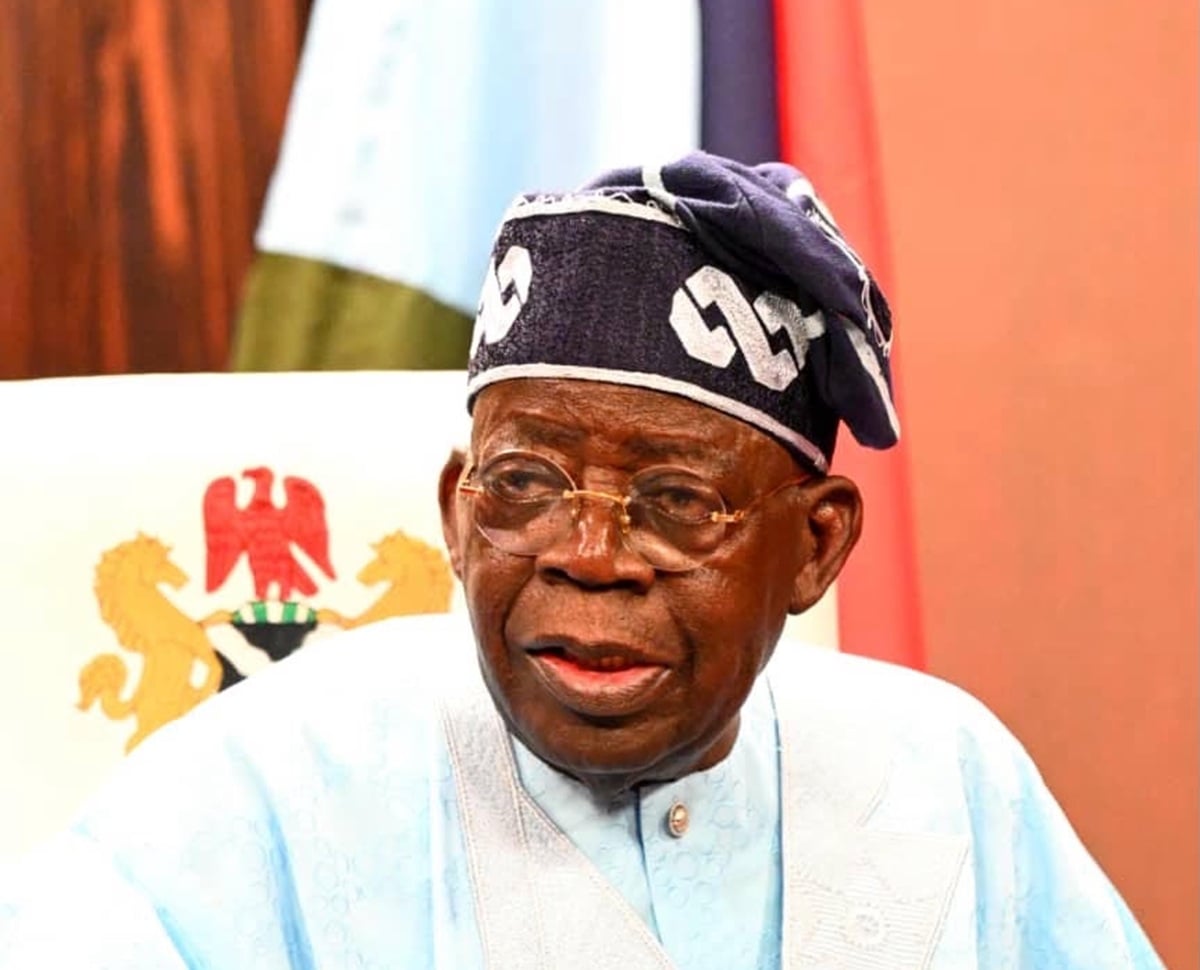
President Bola Ahmed Tinubu has declared that Nigeria has moved beyond the most difficult phase of his administration’s economic reforms, saying the country is now entering what he described as an “age of prosperity” focused on production, job creation and improved living standards.
Tinubu made the declaration in his Independence Day address to Nigerians on Thursday, October 1, 2026, as the country marked its 66th anniversary of independence.
The President said the primary objective of his administration over the past three years had been to correct what he described as deep-seated economic distortions and lay the foundation for sustainable growth.
“The emergency treatment is over. The foundation has been repaired,” Tinubu said, adding that the central economic task before his government had now changed from economic correction to achieving “shared and widespread prosperity.”
Reflecting on Nigeria’s 66-year journey, the President acknowledged that the country had experienced periods of hope and disappointment, as well as civil war, military rule, economic crises, insecurity and political upheaval.
Despite these challenges, he said Nigerians had continued to demonstrate resilience and faith in the country’s future.
Tinubu paid tribute to farmers, traders, teachers, entrepreneurs and members of the Armed Forces and security services, describing their contributions as central to Nigeria’s survival and development.
He said independence represented more than the raising of a national flag or the attainment of sovereignty, arguing that it carried a broader promise of freedom, opportunity, dignity and a better quality of life for Nigerians.
According to him, successive generations now have a responsibility to fulfil that promise.
The President said his administration inherited an economy burdened by longstanding structural problems and argued that difficult reforms became necessary to address those challenges.
He compared the situation to a patient requiring painful medical treatment, saying previous governments had, in his assessment, postponed difficult decisions while allowing economic distortions to deepen.
Tinubu said his administration chose to confront those problems through reforms despite the hardship associated with the process.
He maintained that the reforms did not create Nigeria’s economic weaknesses but were introduced to address them.
The President also defended the results of the reforms, saying Nigeria’s economy had grown by more than four per cent in 2026, with both the oil and non-oil sectors contributing to the growth.
He said oil theft had declined, inflation had fallen substantially from its peak, foreign reserves had been rebuilt and the foreign exchange market had stabilised.
Tinubu further stated that Nigeria recorded more than $6 billion in non-oil export revenue in 2025, which he described as the country’s highest ever.
He said international institutions and private-sector participants had recognised improvements in Nigeria’s economic stability and resilience, while foreign direct investment continued to rise.
According to the President, the next phase of his administration would focus primarily on reducing the cost of living and expanding opportunities for productive employment.
He said the government would seek to achieve this by reducing the cost of producing and transporting goods consumed by Nigerians.
Tinubu outlined plans to expand mechanised irrigation and dry-season farming, improve access to seeds and fertiliser, increase agricultural mechanisation and invest in storage and transportation.
He also said the government was constructing and completing roads, railways and ports to improve connections between farms, factories and markets.
The President argued that reducing production and transportation costs would eventually help lower the prices of goods and improve the purchasing power of Nigerians.
He identified job creation, enterprise development and industrial growth as other priorities for the next phase of his administration.
Tinubu said the government would deploy Nigeria’s gas resources to power new industries, support businesses seeking to revive factories, expand digital connectivity and invest in skills required by employers.
He also promised continued support for Nigerian businesses through infrastructure and financing.
The President said he wanted to see more Nigerians producing goods locally, more farms supplying Nigerian cities and factories, and more Nigerian companies exporting products to international markets.
He also acknowledged that millions of Nigerians continue to face difficulties meeting basic needs, including food, school fees, medical expenses and transportation costs.
Tinubu said the hardships experienced by vulnerable Nigerians were not solely the result of the reforms implemented since 2023 but were also consequences of decades of low productivity, inadequate infrastructure and limited economic opportunities.
He said his administration could not reverse in four years problems that had accumulated over several generations, but maintained that it could change the country’s economic direction.
The President said the government was strengthening social intervention programmes and improving the National Social Register to ensure that assistance reaches vulnerable households.
He also highlighted the Nigerian Education Loan Fund, saying it was designed to enable students from low-income families to pursue higher education despite financial difficulties.
Tinubu mentioned the Consumer Credit Corporation, CREDICORP, as another initiative intended to provide working Nigerians with access to credit for essential assets such as vehicles, solar systems and digital devices.
He further said his administration would continue working with state and local governments to strengthen primary healthcare, basic education and other essential public services.
According to him, the government had also continued to pay salaries and pensions and had introduced reforms to improve the national pension system.
The President stressed, however, that social intervention programmes were not intended to replace economic prosperity.
“These programmes are not substitutes for prosperity. They are a bridge to aid our nation’s citizens on their path towards it,” he said.
Tinubu said the government’s ultimate objective was to reduce poverty through sustained economic growth and the creation of millions of productive opportunities.
He acknowledged that achieving the objective would take time and require discipline and consistent economic growth.
The President described the present moment as a turning point, saying the period of economic reform had laid the foundation for what he called a new era of prosperity.
“The age of reform has done its work. Now begins the age of prosperity,” he declared.
Tinubu called on Nigerians to remain united and continue working towards a better future, saying the country had corrected its economic direction and should not return to the conditions that necessitated the reforms.
He expressed confidence in the resilience of Nigerians and said the road ahead would require continued sacrifice and collective effort.
The President concluded his Independence Day message by urging Nigerians to look forward with confidence and faith in the country.
“Our destination is in sight. Our foundations are strong. Our direction is clear. So let us go forward. No looking back,” he said.
He wished Nigerians a happy Independence Day and prayed for the continued blessing of the Federal Republic of Nigeria.
