

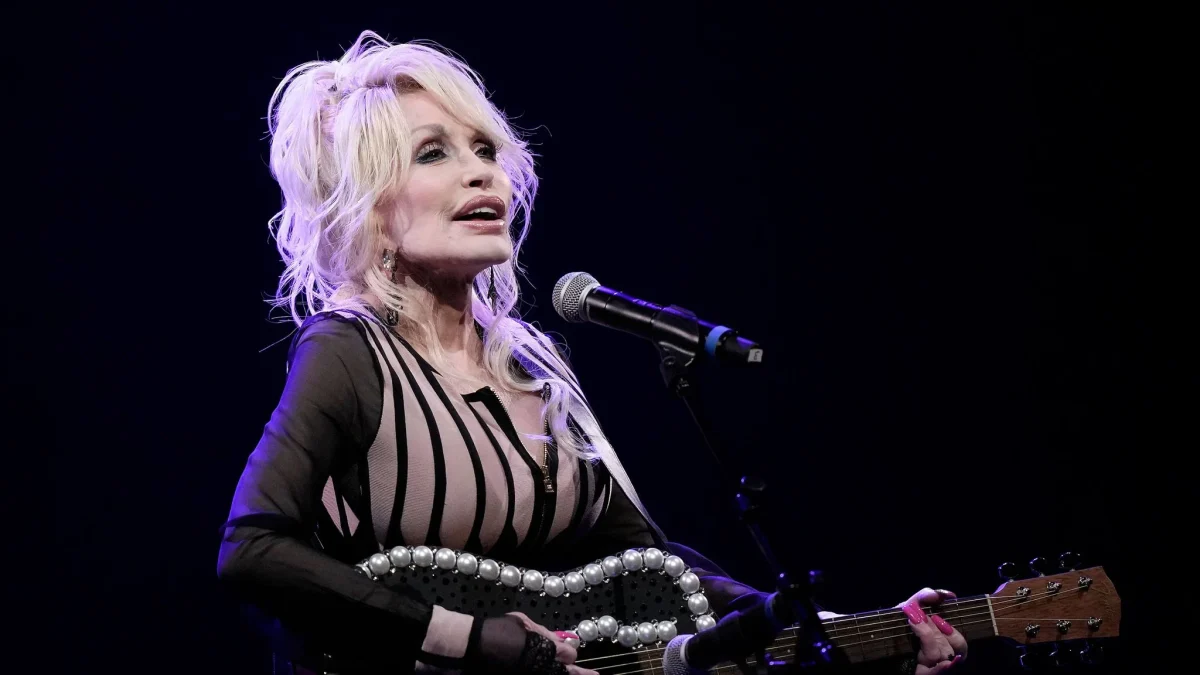
Dolly Parton, a rags-to-riches daughter of Appalachia who for six decades ruled country music with an outsize personality and prairie wit that enshrined her as one of the 20th century’s most cherished American originals, died on Tuesday in Nashville. She was 80.
Her death was announced in a video posted on social media by her nephew Bryan Seaver. No cause was provided. Concerns about Ms. Parton’s health, which began last year as she postponed and later canceled a Las Vegas residency, grew to the point that she took to social media last fall to confirm that “I ain’t dead yet.” In May, she said she had responded well to treatment after, as she put it, her immune and digestive systems “got all out of whack” in recent years.
From her hardscrabble beginnings in Appalachia to her glittering stardom in Nashville and beyond, Ms. Parton’s life was the stuff of make-believe.
The writer Chet Flippo likened her to the Big Rock Candy Mountain, the Depression-era symbol of abundance personified by Ms. Parton’s voluptuous figure, rhinestone-studded stage costumes and blonde bouffant wigs. Her songs spoke to millions, confronting privation and loss even as they radiated possibility and hope.
She was, quintessentially, a uniter of people. In 2019, The New York Times ran a story with the headline “Is There Anything We Can All Agree On? Yes: Dolly Parton.”
Ms. Parton cannily exploited — and transcended — rural stereotypes and kitsch to fashion a down-home chic entirely her own. (“A country girl’s idea of glam,” she called it in the song “Backwoods Barbie.”) In the process, she became an international celebrity who headlined stadium tours, starred in Hollywood movies, built a business empire and appeared on the cover of Rolling Stone. Her at times girlish soprano notwithstanding, she was anything but the “dumb blonde” invoked in the title of her 1966 single.
“I’ve created this and played it up — the makeup, the whole persona,” Ms. Parton said, alluding to her plastic surgeries as well as her colloquial “Dollyisms” in a 2002 interview with The Times.
“But this isn’t all I am,” she added. “It’s not even most of what I am. Hopefully people can see beneath the hair to know there’s a brain, beneath the boobs to know there’s a heart and behind all the other stuff to know there’s some talent.”
