

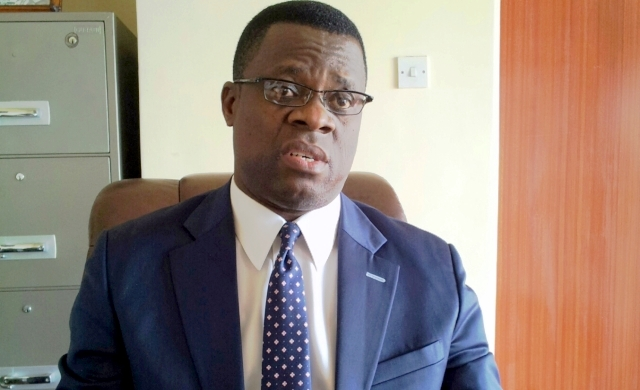
Igini made the observation on Sunday during an interview on Channels Television’s Sunday Politics, arguing that the commission’s inability to provide a clear explanation for the technical glitch it cited during the election contributed significantly to the loss of public confidence.
The former REC noted that although the Bimodal Voter Accreditation System (BVAS) functioned during the elections, the failure to electronically transmit the presidential election results, while the other two elections conducted on the same day proceeded, raised questions about INEC’s credibility.
He said the incident had left the commission facing a persistent cloud of distrust, adding that he himself had yet to receive a satisfactory explanation for the reported technical problem despite his experience as an electoral commissioner.
“Now, in 2023, what worked and what broke public confidence? The BVAS worked. But what broke confidence, which has created a liability and a cloud of distrust that the current leadership is suffering, was the fact that there were three elections, same day; only one could not be transmitted, which was the presidential,” Igini said.
“That was what evaporated public trust and confidence. Even people like us, who put out our integrity to explain to people, to give a clarion call to the Nigerian people, up till date I don’t have a clear explanation of what constituted that glitch.”
Igini’s comments come amid continuing debates over electoral transparency, electronic transmission of results and the credibility of Nigeria’s electoral process ahead of the 2027 general elections.
The lawyer described the forthcoming elections as a critical test of the country’s ability to learn from the shortcomings of the 2023 polls. He said the outcome would reflect whether Nigerians and the institutions responsible for conducting elections had taken the necessary lessons from previous experiences.
“Every election is a test, but in 2027, it will be more than a test. It will be a verdict on whether we, as a people, can learn from what has happened,” he said.
Igini also urged voters to remain vigilant, particularly during the collation of results on election night, stressing that citizens had an important role to play in protecting the integrity of their votes.
He argued that the presence and vigilance of voters at polling units could serve as an important safeguard against electoral malpractice.
“But the greatest power of the people, which is unassailable, is that in every polling unit, the people will be more than the polling officials that are going to be compromised,” he said.
His remarks underscore the importance of transparency, accountability and public confidence in the electoral process as political parties and election stakeholders begin preparations for the 2027 polls.
The controversy surrounding the electronic transmission of results in 2023 remains a major reference point in discussions about electoral reforms, with calls for clearer procedures and greater transparency in the management and announcement of election results.
