

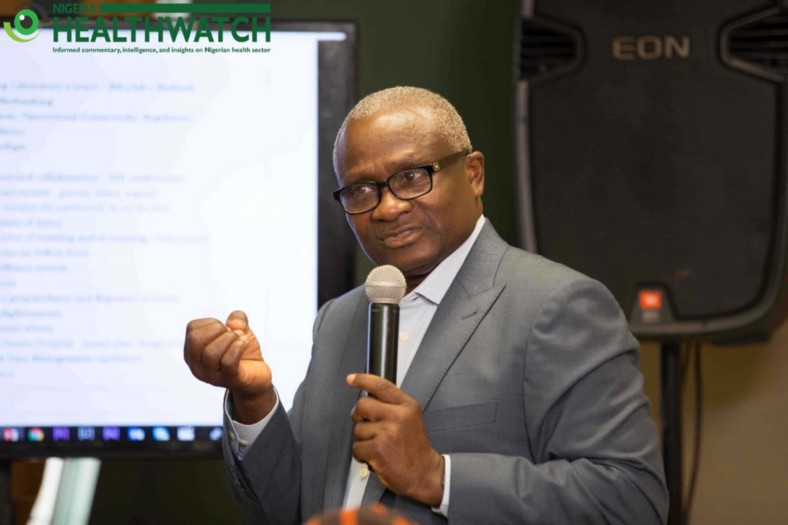
The Director-General of the NCDC, Dr Jide Idris, disclosed this during a press briefing on Sunday, explaining that the financial support was introduced after some contacts expressed concerns about the cost of feeding, accommodation and providing for their families while under monitoring.
“We are paying for their accommodation; we are paying for their feeding. Some of them are asking for a stipend to maintain their families,” Idris said.
He explained that the agency had approved a weekly payment of ₦100,000 per person to help cover basic needs during the isolation period.
“This was not planned for, but it is an emergency. We will continue to review it as we go along,” he added.
Idris emphasised that the response to the outbreak should not be left to the FCT alone, urging other states to make adequate financial and logistical preparations to handle similar public health emergencies.
“This is not the responsibility of the FCT alone. What we have to do for the FCT, we have to do for any other state, just in case,” the NCDC chief said.
At the time of the briefing, Nigeria had recorded one confirmed Ebola case involving a woman who travelled from Uganda to Abuja. The case was confirmed on October 20, while 53 primary contacts were identified for monitoring.
The NCDC said contact tracing and health surveillance were ongoing to identify and monitor individuals who might have been exposed to the virus.
According to the agency, identified contacts would be monitored throughout the 21-day incubation period following their last possible exposure to the virus.
The emergency financial support is intended to reduce the burden on individuals required to remain in isolation or quarantine and encourage compliance with public health measures.
The development also highlights the need for coordinated preparedness among federal and state authorities to ensure that affected individuals receive the necessary support while health officials work to contain the outbreak.
The NCDC has stressed the importance of continued surveillance and contact tracing as part of efforts to prevent further transmission.
