

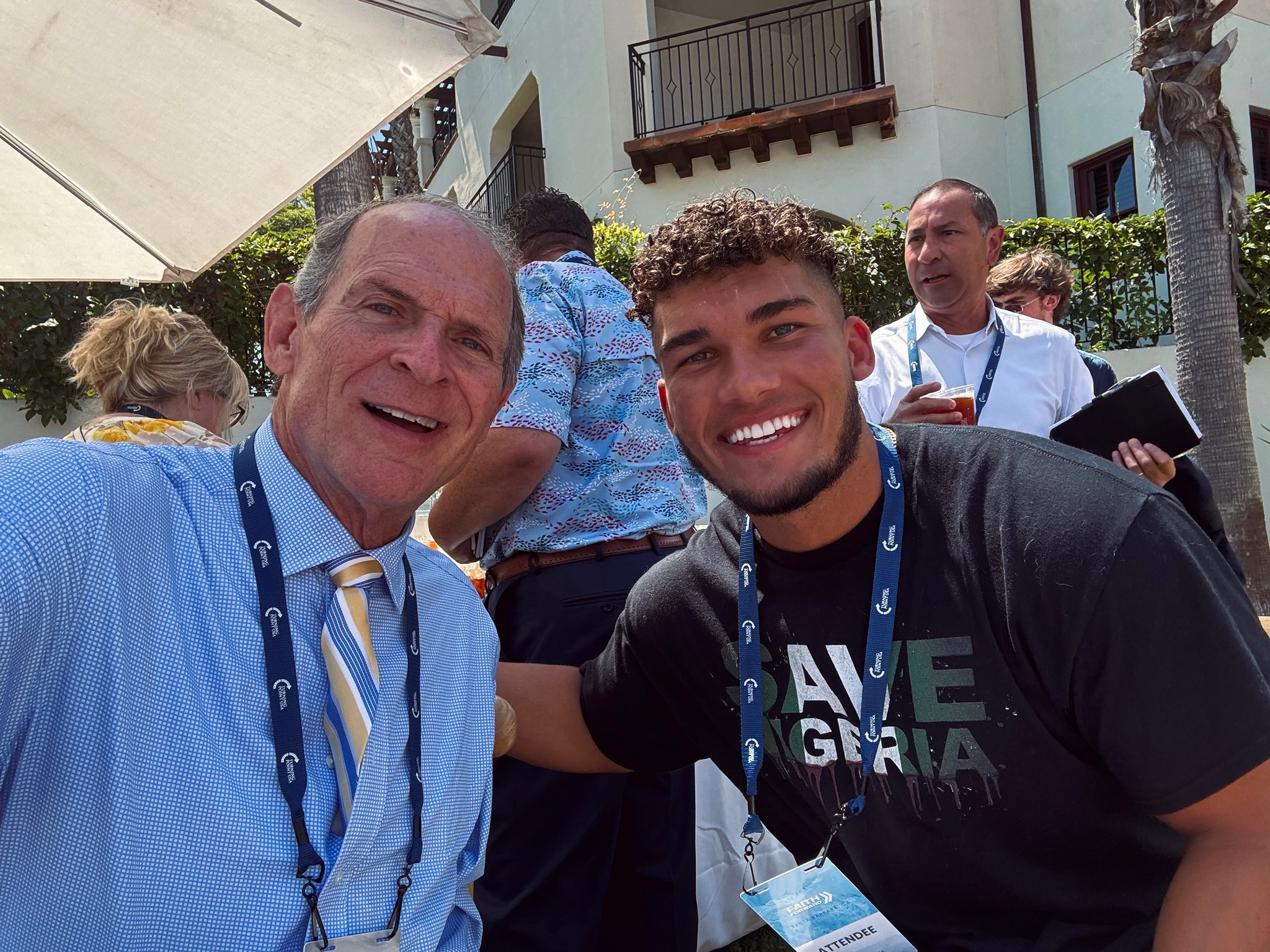
A United States-based missionary, Alex Barbir, has accused the Nigerian government and the Federal Bureau of Investigation (FBI) of attempting to prevent the public release of records relating to President Bola Ahmed Tinubu’s past legal and financial dealings in the United States.
Barbir made the allegation in a strongly worded statement in which he claimed that the Nigerian president had previously been convicted in the United States in connection with drug trafficking and had forfeited a substantial amount of money to the US government.
He also questioned the reported efforts by the Nigerian government and the FBI to keep certain records relating to Tinubu from being made public.
According to Barbir, the alleged withholding of the records raises serious questions about transparency, accountability and the right of the public to access information concerning individuals who hold public office.
“The sitting president of Nigeria is a convicted drug trafficker in America. He trafficked heroin and literally forfeited hundreds of thousands of dollars to the US Government,” Barbir alleged.
He further claimed that the Nigerian government and the FBI were seeking legal measures to prevent the release of records concerning the matter.
“And now the Nigerian Government and the FBI are petitioning court in America to not release his files, to not let the public know what happened and what was done,” he said.
Barbir argued that any attempt to restrict access to such records could have significant implications for public accountability, particularly because Tinubu currently occupies Nigeria’s highest political office.
He contended that Nigerians should have access to information that can legally be disclosed about the background and history of their political leaders.
“If the US refuses to release his files, they are complicit in the killing of Nigerians,” Barbir said.
The allegation comes amid renewed public interest in records held by US authorities concerning Tinubu and the legal proceedings that have previously attracted attention in Nigeria and abroad.
The controversy has also been linked to wider demands for the disclosure of documents held by American law-enforcement agencies, with proponents of disclosure arguing that information concerning public officials should be made available where it can legally be released.
However, allegations concerning criminal convictions and drug trafficking require careful distinction between established facts, legal findings and claims made by political or public commentators.
Tinubu has previously faced scrutiny over his past in the United States, including questions surrounding a forfeiture of funds in a US court case. His supporters have consistently rejected attempts to use the matter as evidence of criminal wrongdoing by the Nigerian president.
The Nigerian government has also maintained its position on issues relating to Tinubu’s past, while legal disputes over the release of records held by US authorities continue to generate political debate.
Barbir’s comments have therefore added another voice to the growing calls for greater transparency concerning documents that may shed light on the history of Nigeria’s president.
The missionary’s statement also raises broader questions about the responsibilities of foreign governments and law-enforcement agencies when dealing with information concerning elected leaders of other countries.
For proponents of disclosure, the central issue is whether records can legally be released without compromising legitimate investigations, confidential sources, privacy protections or other restrictions under US law.
Those opposed to unrestricted disclosure, however, argue that law-enforcement agencies must be allowed to protect sensitive information where legally justified.
The controversy is likely to remain politically sensitive as Nigerians continue to debate accountability, transparency and the standards expected of public office holders.
Barbir’s allegations, meanwhile, have not by themselves established that the Nigerian government or the FBI is unlawfully suppressing information, nor do they independently establish the broader claims contained in his statement.
Any definitive conclusion would depend on the relevant court records, official documents and findings from competent authorities.
The renewed attention nonetheless reflects the continuing public interest in Tinubu’s history and the extent to which records held by foreign institutions should be accessible to Nigerians seeking information about their president.
Watch video:
