

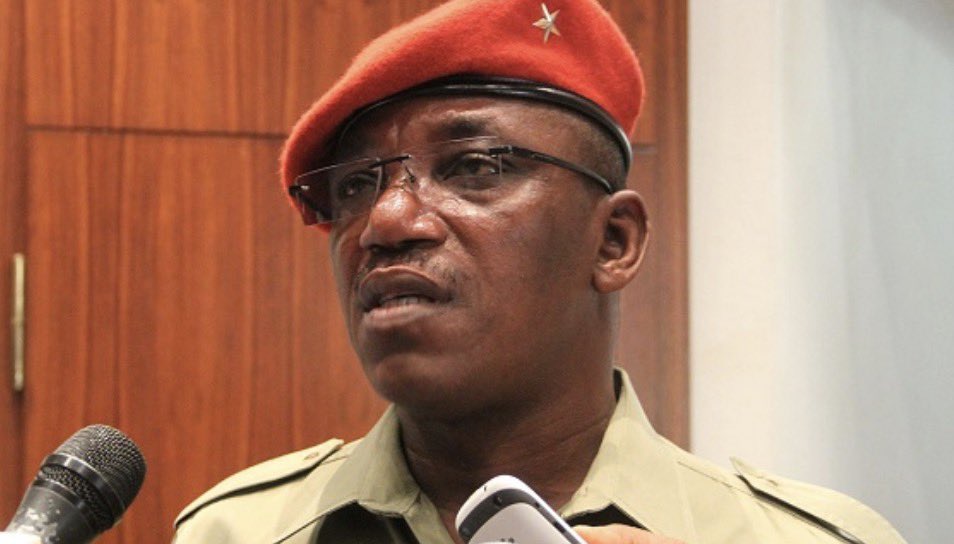
Solomon Dalung, former minister of youth and sports development, says Catholic bishops retain the right to criticise President Bola Tinubu’s administration.
Dalung spoke in a statement on Saturday while reacting to recent comments from Stephen Adegbite, Methodist bishop and executive secretary of the Nigerian Christian Pilgrims Commission (NCPC), concerning criticism of the Tinubu administration by John Onaiyekan, cardinal and former archbishop of Abuja.
The former minister said there is nothing wrong in Adegbite supporting the president but argued that questioning the motives of the Catholic bishops without evidence was inappropriate.
“There is absolutely nothing wrong with a bishop supporting a President,” Dalung said.
“There is nothing wrong with him believing that Tinubu is doing a good job. There is nothing wrong with him defending the government when he believes the government is being unfairly attacked.”
He, however, said the same standard should apply to clerics who choose to criticise the government.
“If the Catholic Bishops have lied about insecurity, let Bishop Adegbite tell us precisely what they lied about,” he said.
“If they exaggerated the suffering of Nigerians, show us where. If their intervention was politically motivated, establish it.
“If they have misrepresented the position of the Federal Government, correct them with facts.
“But simply suggesting that they are against Tinubu because they have criticised his government is not a serious argument.”
Dalung said Nigerians are entitled to scrutinise Adegbite’s comments in light of his position as executive secretary of the NCPC, an office to which he was appointed by Tinubu.
According to him, criticism of government should not automatically be interpreted as political hostility.
“The Church should not be a government department. It should not be an opposition party either. It should be the conscience of society,” he added.
“And that conscience must remain independent, whether the occupant of Aso Rock is Bola Tinubu, Muhammadu Buhari, Goodluck Jonathan, or anyone else.”
The ex-minister added that religious leaders should retain the courage to “speak truth to power”, arguing that governments must be open to scrutiny rather than seeking to discredit those who offer constructive criticism.
